PEACE EDGE — Beyond Education
Eleven programmes that sit beyond the syllabus. Together they are the reason a PEACE student is recognisable long after they leave us.
A syllabus tells you what a school teaches. It does not tell you what a student becomes. PEACE EDGE is our answer to the second question — the eleven programmes that run alongside the curriculum and, between them, account for most of what parents notice at home.
Leadership Development
Real roles, real responsibility, real consequences.
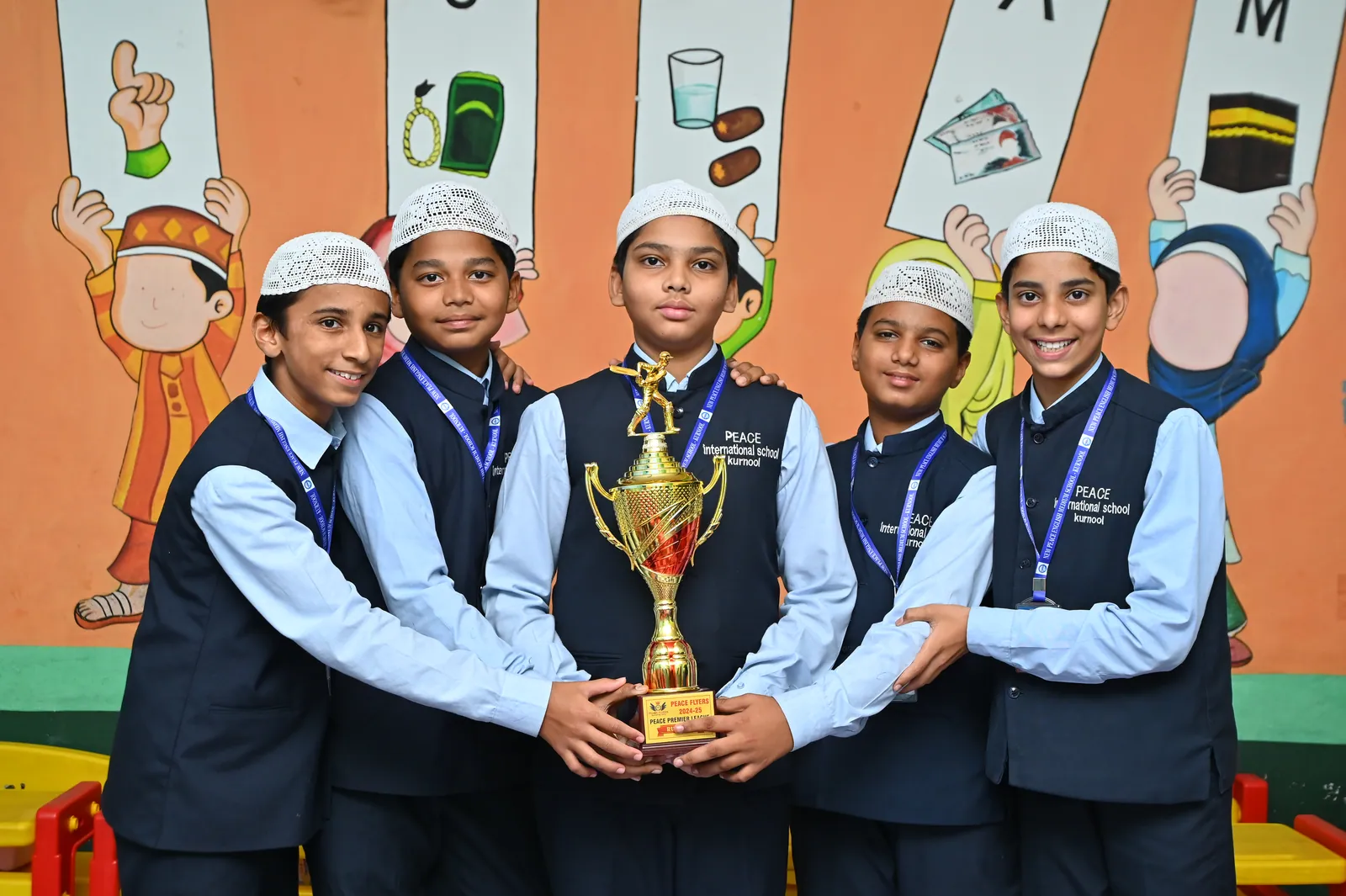
Students join skill-based leadership teams — Innovators, Techies, Peacemakers and Nature Guardians — with genuine responsibilities rather than ceremonial titles. A Nature Guardian who plants a sapling is expected to keep watering it in March.
- Skill-based leadership teams from the middle grades
- Student council and house responsibilities
- Event organisation and peer mentoring
- Accountability for outcomes, not just attendance
Spoken English Mastery
Fluency built by speaking, not by grammar drills alone.
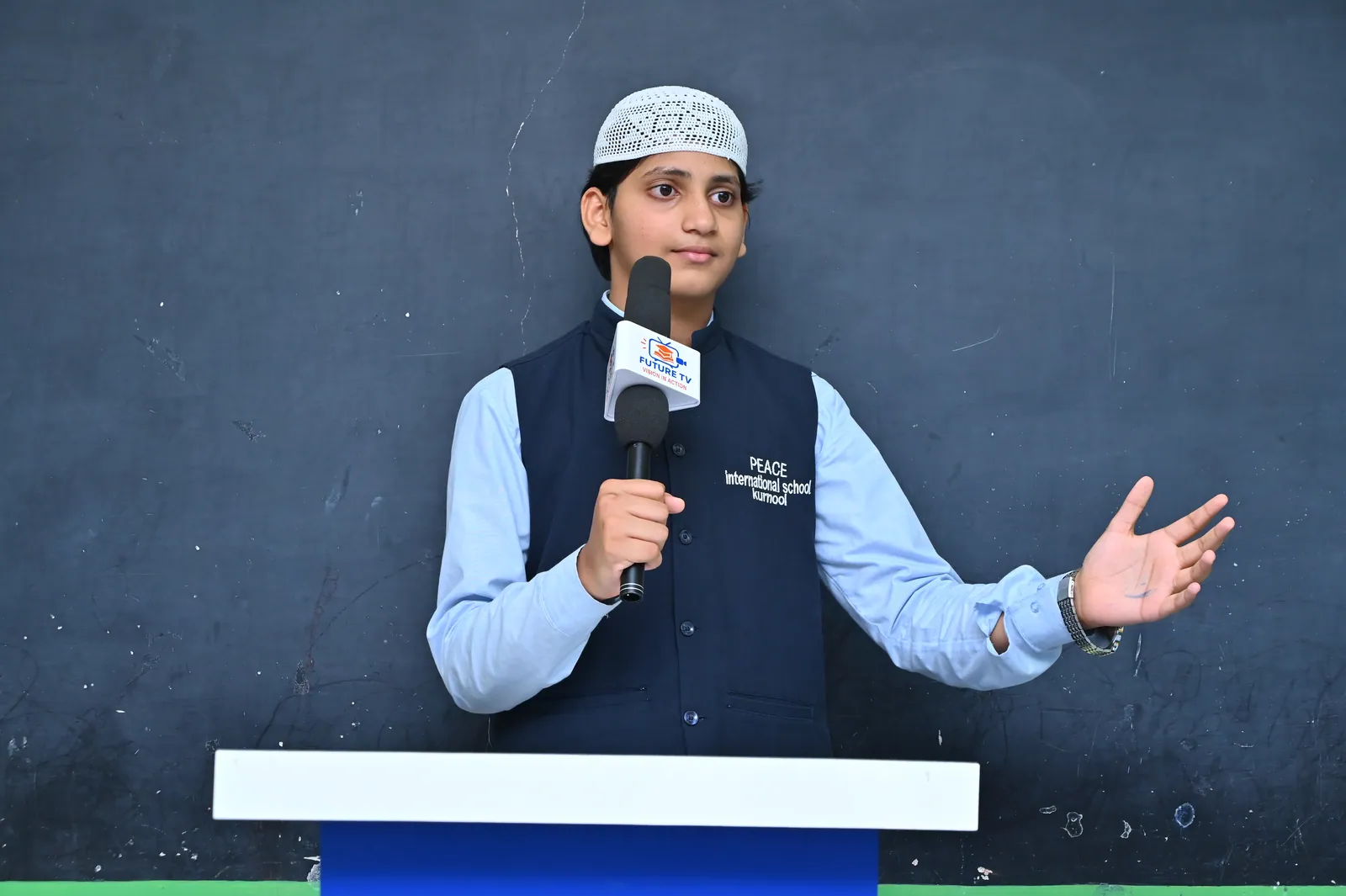
A dedicated English Language Lab supports pronunciation, vocabulary, listening and conversation, while voice and accent development sessions build clarity. Students speak every week — in class, in assembly, and on the Peace Talent Stage.
- Dedicated English Language Lab
- Voice and accent development sessions
- Daily conversational practice in class
- Monthly stage time for every student
Career Guidance
Goal setting from Grade 3, not from Grade 10.
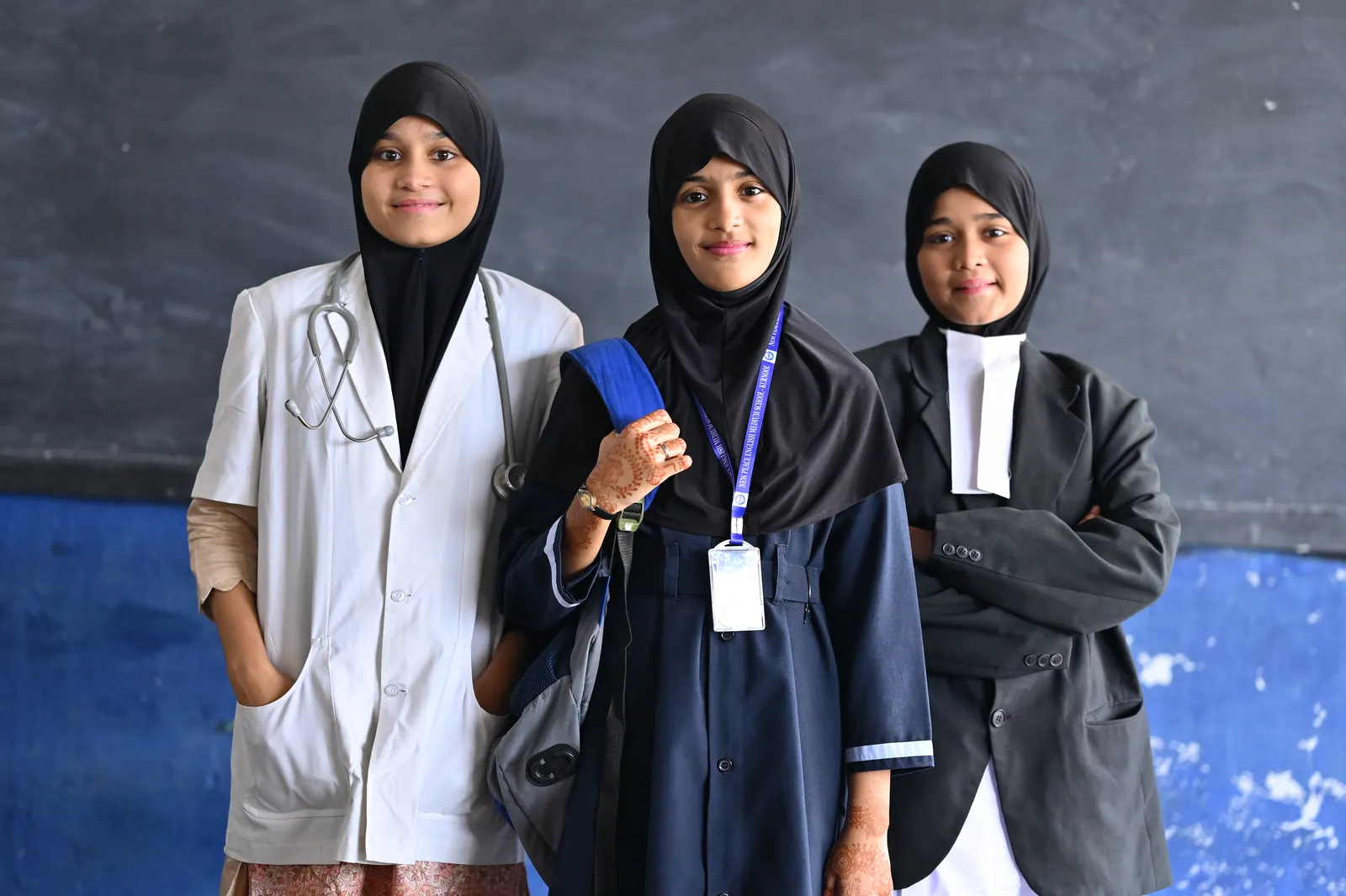
From Grade 3 onwards, students identify career aspirations, set personal goals and receive continuous guidance. By the time entrance examinations arrive, the choice has been thought about for years rather than made in a panic.
- Vision mapping from Grade 3
- Personal goal setting reviewed each term
- Career days and professional exposure
- University and entrance counselling in senior years
AI & Robotics
Building machines teaches more than watching them.
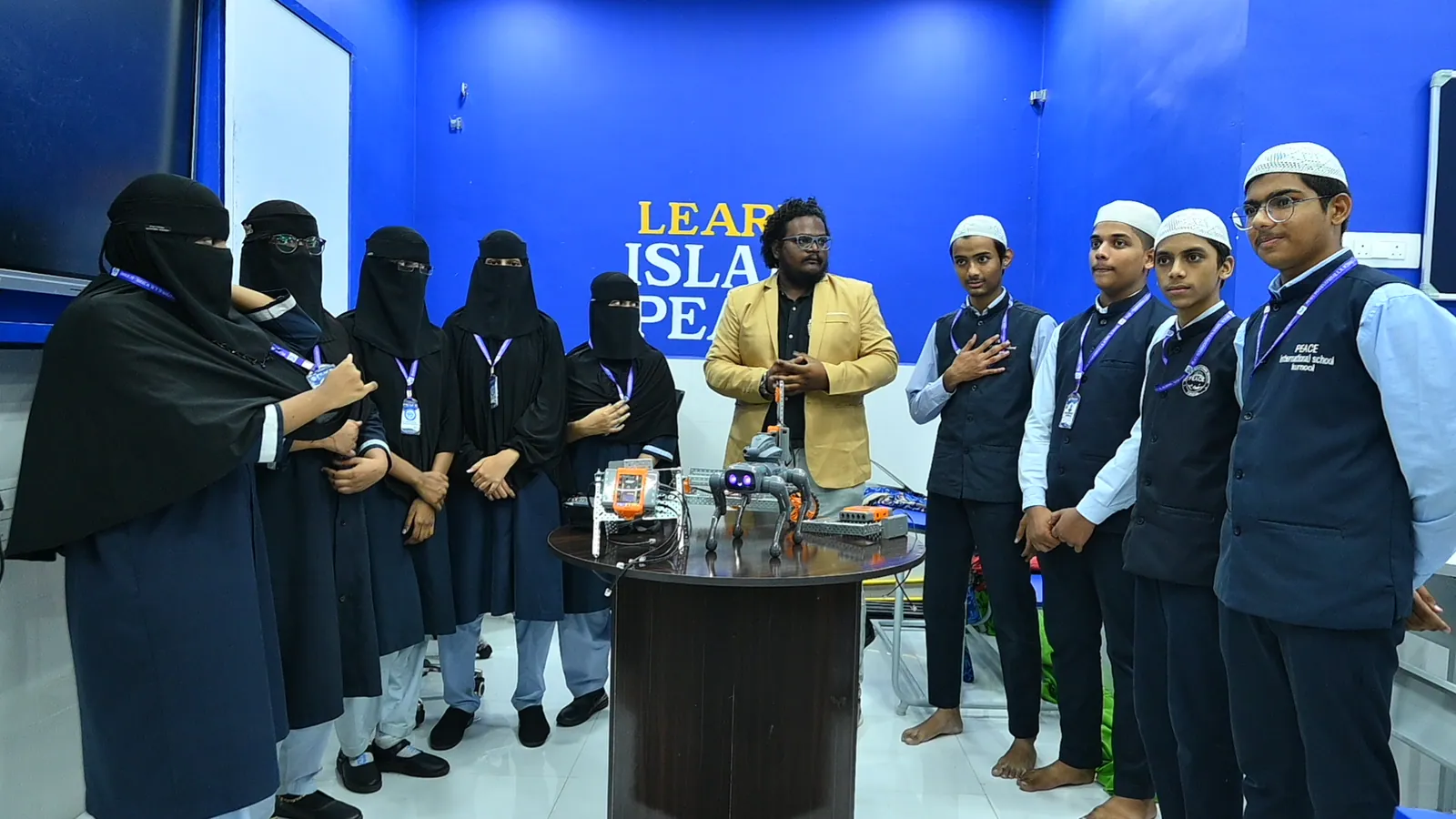
Students build and programme robots, learn coding fundamentals, and study AI fundamentals, machine learning concepts, computational thinking and the responsible use of AI. The emphasis is on making something that works.
- Hands-on robotics kits and build projects
- Coding fundamentals and computational thinking
- AI awareness and responsible technology use
- STEM projects presented and defended

Moral & Islamic Values
Character taught explicitly, expected daily.
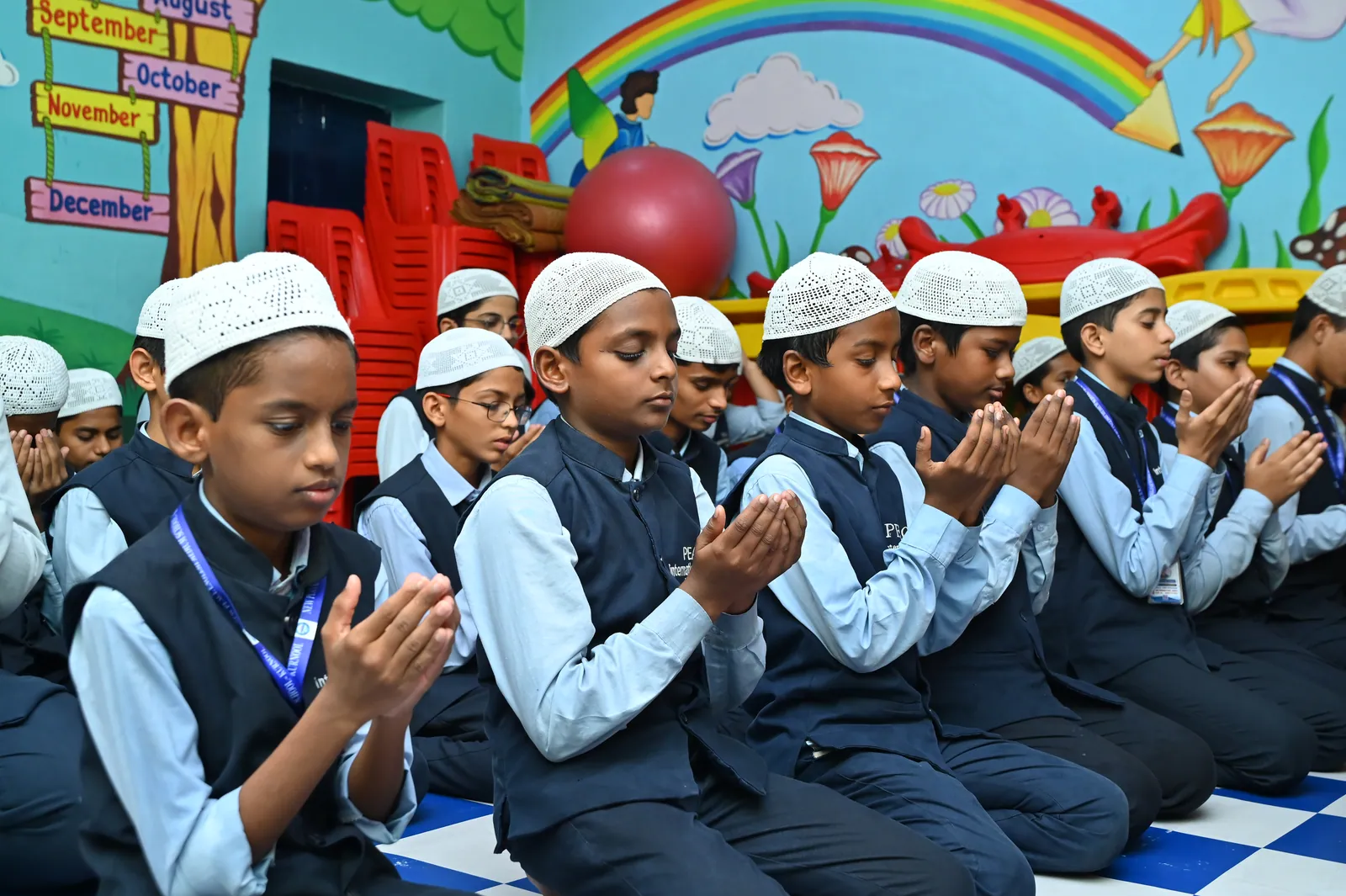
Congregational Salah at school, Friday Tarbiyati sessions on Akhlaq and Adab, and a structured Islamic Studies curriculum. Honesty and respect are taught as subjects and then expected in the corridor.
- Congregational Salah at school
- Weekly Friday Tarbiyati sessions
- Structured Islamic Studies curriculum
- Da'wah and comparative religion classes
Hifz & Arabic Academy
Memorise the Qur'an without pausing an education.
A structured Hifz programme under qualified Huffaz runs alongside full academic schooling, and every student studies Arabic daily — reading, writing, conversation and Al-Khat handwriting.
- Tajweed-based Hifz with daily Muraja'ah
- Daily Arabic for every student
- Scholars from renowned Islamic institutions
- Academics continue in parallel
Public Speaking
Stage fear dissolved by repetition, not by luck.
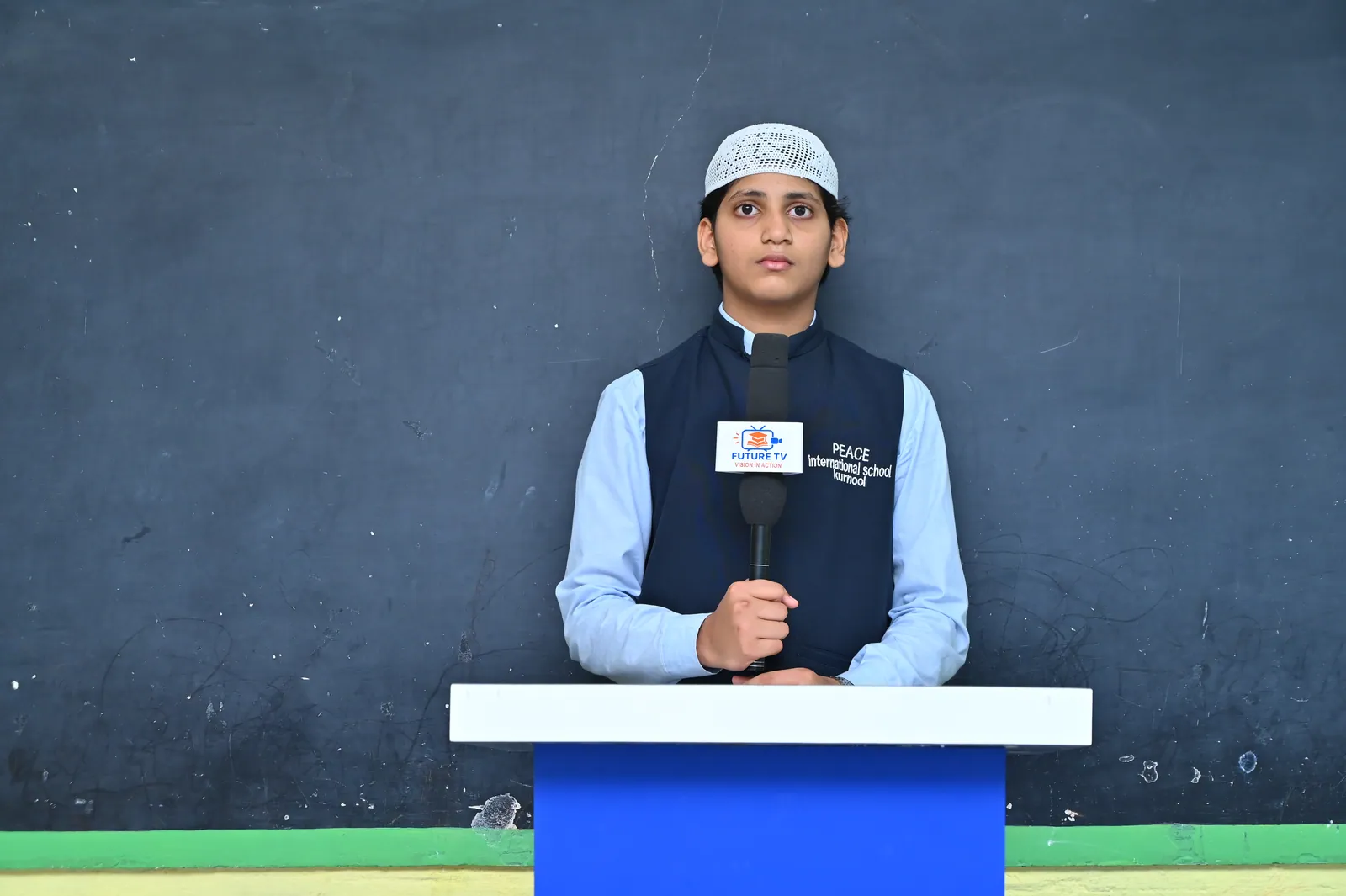
Speeches, storytelling, debates, group discussions and presentations run through the year, at school, inter-school, district, state and national level. Students learn to present ideas with confidence, clarity and respect.
- Elocution, debate and group discussion
- Monthly Peace Talent Stage
- Competitions to national level
- Structured feedback on delivery and content
Entrepreneurship
Financial literacy and the confidence to start something.
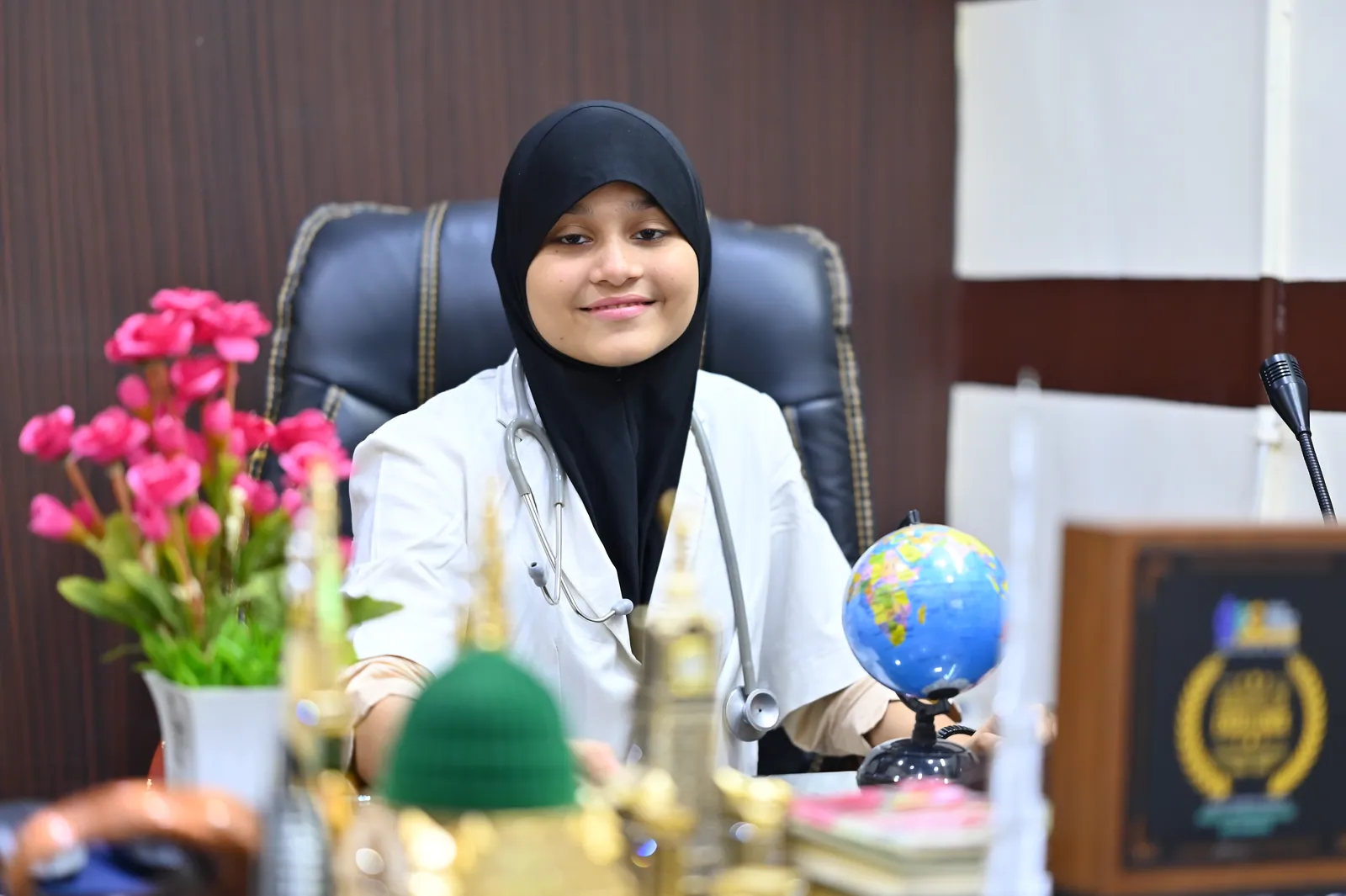
Students learn how money, value and risk actually work — through innovation challenges, project budgets and enterprise activities that end with a real outcome rather than a worksheet.
- Financial literacy from the middle grades
- Innovation challenges and pitch sessions
- Project budgeting and resource planning
- Exposure to family business and local enterprise
Personality Development
The habits that make talent count for something.
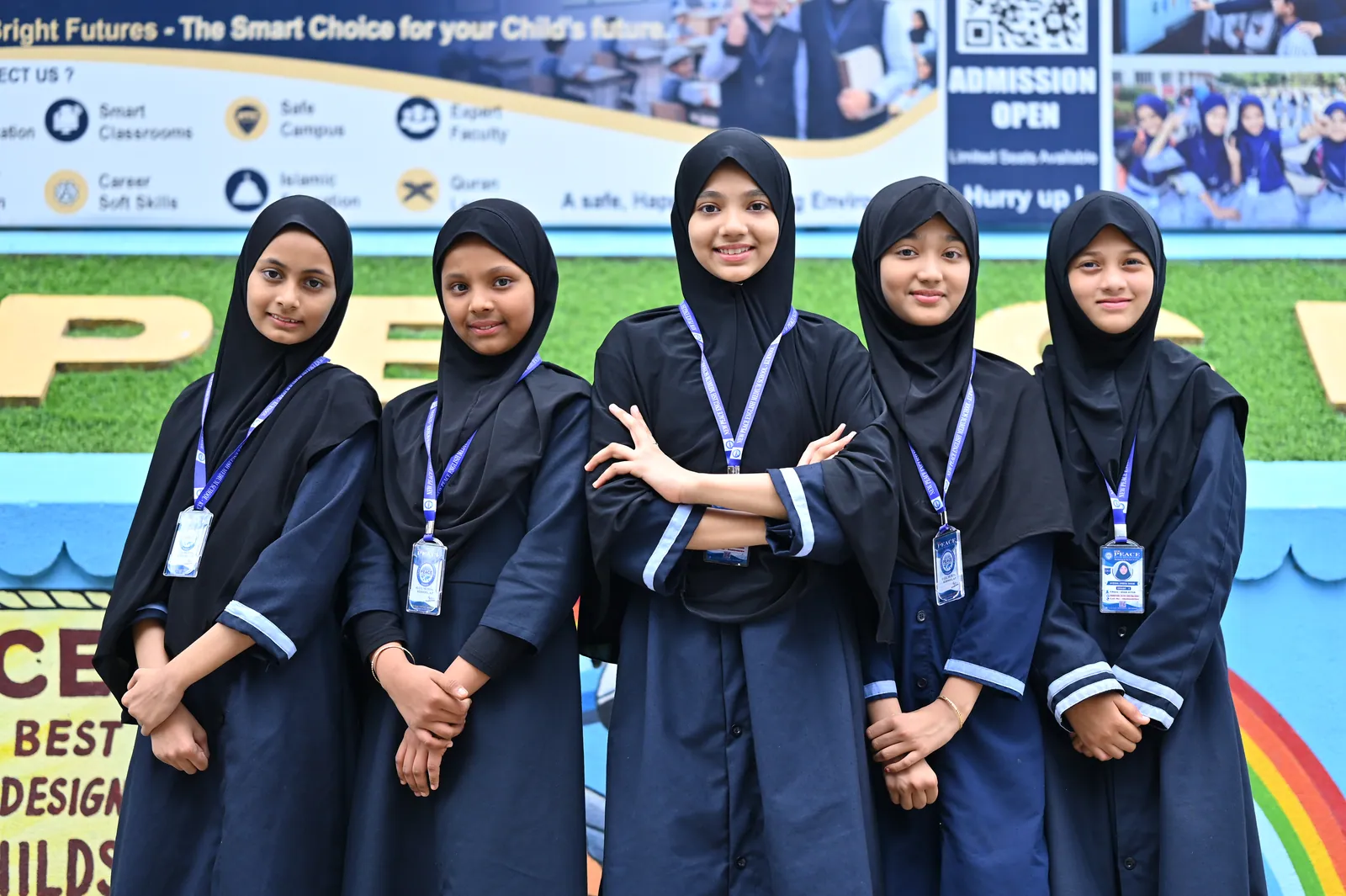
Structured programmes build positive attitude, emotional intelligence, time management, decision-making, teamwork and self-discipline — supported by a student portfolio that records progress from admission to graduation.
- Emotional intelligence and self-awareness
- Time management and decision making
- A personal success file for every student
- Daily karate for focus and self-discipline
Parent Partnership Programme (P3)
A child's success is a three-way agreement.
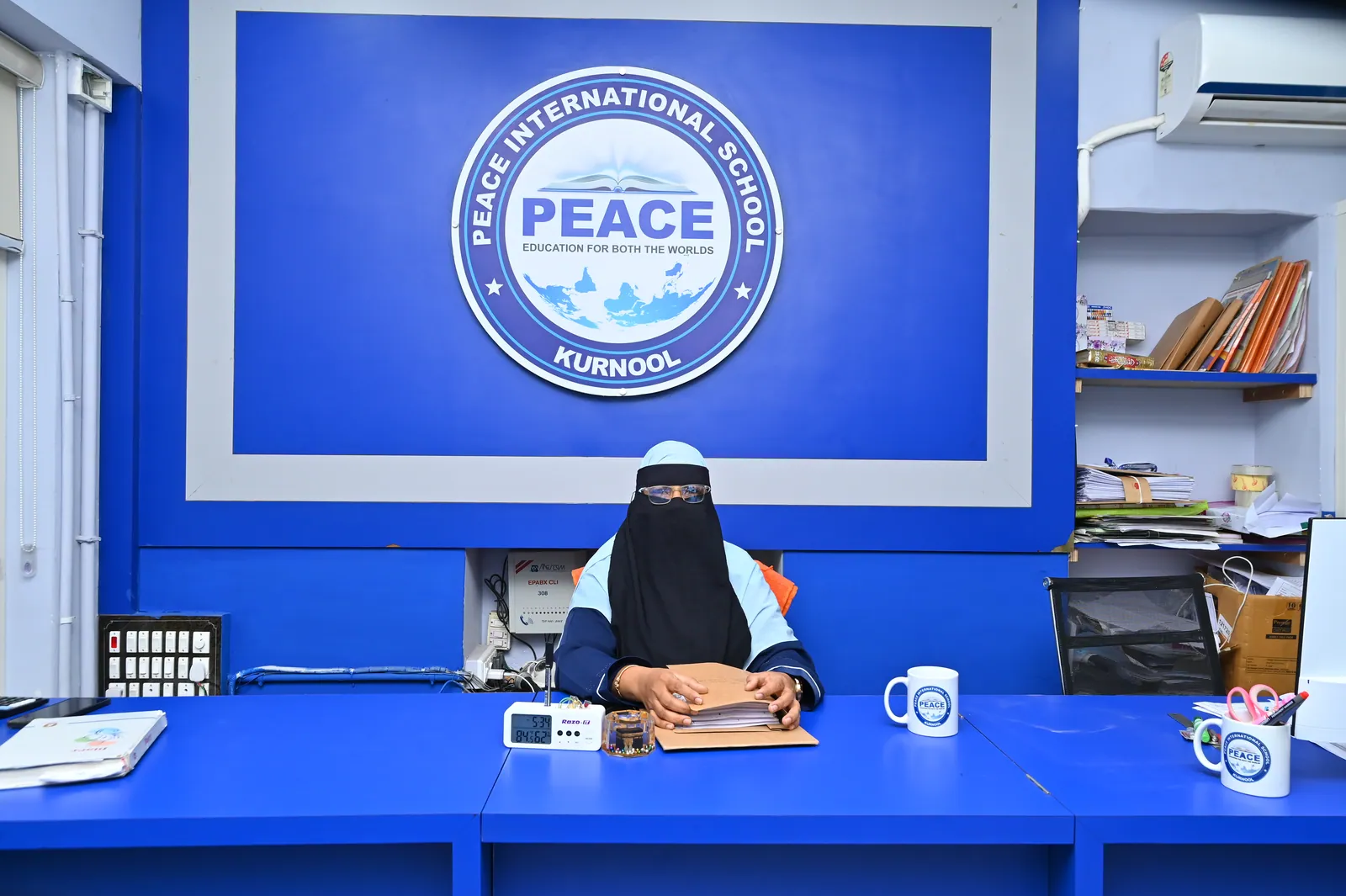
Parent meetings and orientation programmes roughly every two months, plus workshops, interactive activities and continuous communication. Parents are treated as partners in the work, not as an audience for it.
- Parent meetings every two months
- Orientation programmes and workshops
- Ongoing contact through diary, circulars and SMS
- Guidance on supporting learning at home
Teacher Excellence Programme
The quality of a school is capped by the quality of its teaching.
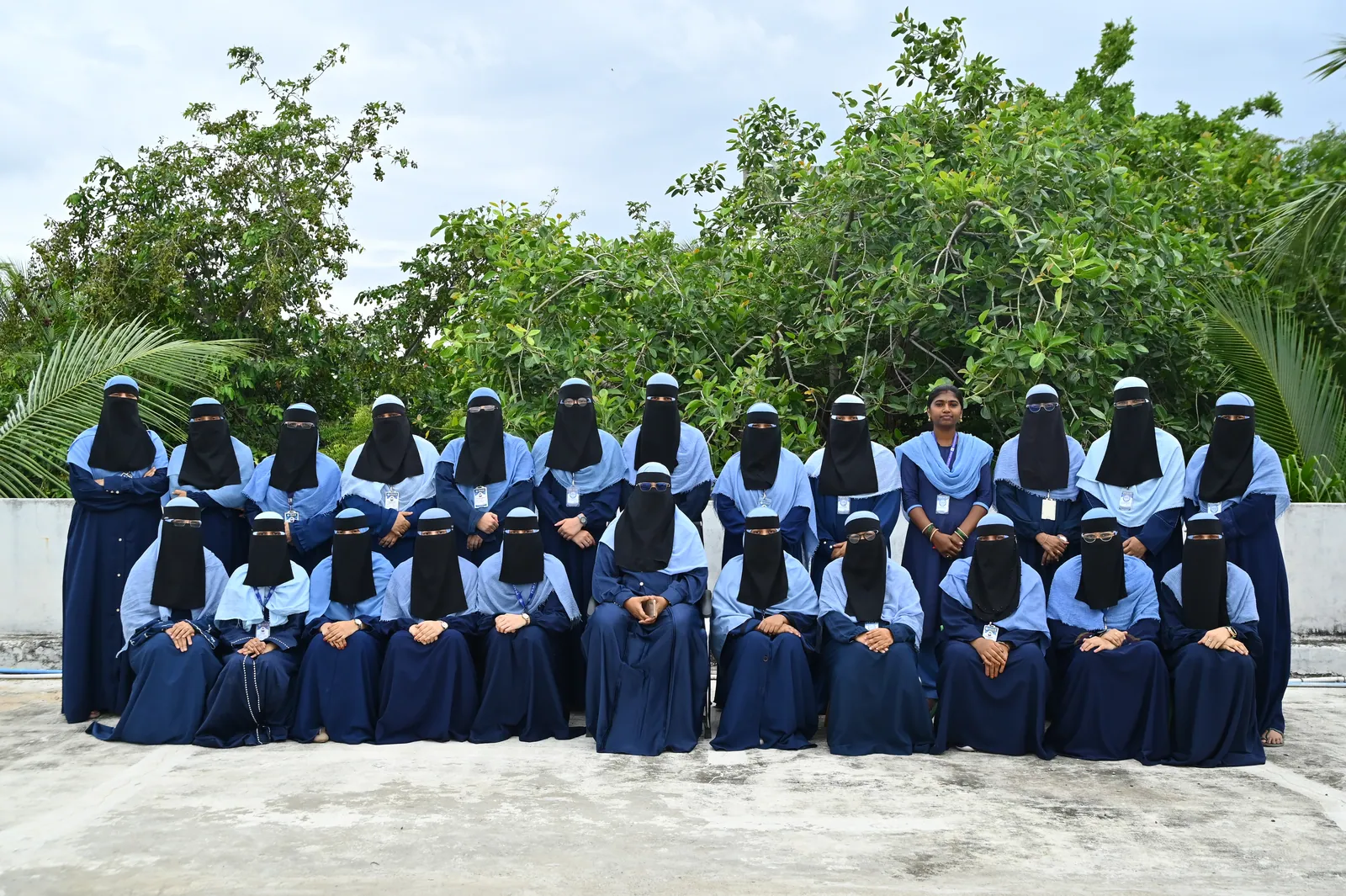
Continuous professional development, digital learning tools, peer observation and training in project-based and inquiry-driven teaching. We invest in teachers because everything else in this list depends on them.
- Continuous professional development
- Training in inquiry-driven and project-based teaching
- Digital and smart classroom skills
- Peer observation and mentoring
What a PEACE student looks like at eighteen
Academically prepared for the course they chose deliberately. Able to stand up and explain an idea to a room. Grounded in faith and honest about it. Fit, disciplined and hard to intimidate. And in the habit of taking responsibility for something beyond themselves.
The edge is the reason parents stay
Come and see these programmes running on an ordinary Tuesday, not on an open day.